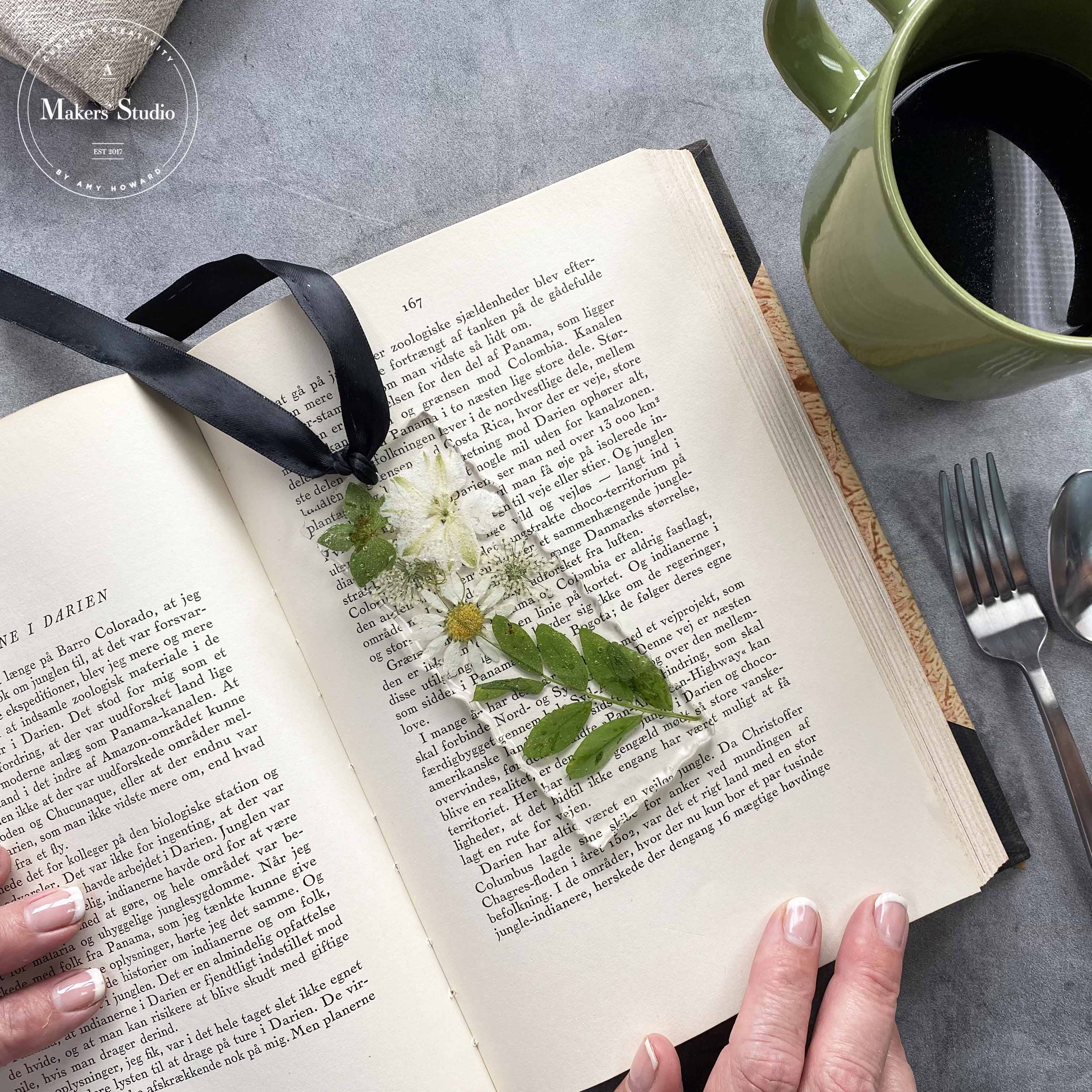

Flower Drying Art
Flower Drying Art | Silica Gel
1 lb Bag
Preserve nature’s beauty for your creative projects.
Drying flowers with silica gel is one of the best ways to preserve their shape, vibrant color, and delicate details. This method works beautifully for roses, peonies, zinnias, daisies, and many garden blooms.
Perfect for pairing with ResinCast™, CeramiCast™, WoodCast™, candles, botanical décor, diffusers, and keepsake art.
Supplies
• Flower Drying Art | Silica Gel (1 lb bag)
• Fresh flowers
• Airtight plastic or metal container
• Scissors or pruners
• Soft paintbrush
• Gloves and mask (recommended)
Tip: Do not reuse containers for food after drying flowers.
How to Dry Flowers
1. Prepare the Flowers
Trim stems close to the bloom and ensure flowers are dry. Fresh flowers give the best results.
2. Create a Silica Base
Pour 1–1½ inches of Flower Drying Art into the bottom of an airtight container.
3. Position the Flowers
Place flowers face-up on the silica gel base so petals maintain their natural shape.
4. Cover the Flowers
Slowly pour additional silica gel around and over the petals until the flower is fully supported and covered.
5. Seal and Wait
Seal the container and store in a cool, dry location.
Most flowers dry in 2–4 days
Thicker blooms like roses may take up to 7 days
6. Remove and Clean
Carefully remove flowers and gently brush away excess crystals with a soft paintbrush.
Your flowers are now ready for crafting!
Quick Microwave Method (Optional)
For faster drying:
- Place flowers in silica gel in a microwave-safe container.
- Do not seal with a lid.
- Place a small glass of water in the microwave next to the container.
- Heat on medium power in 1-minute intervals until dry.
Most flowers dry in 1–3 minutes using this method.
Allow flowers to cool completely before removing them from the silica gel.
When to Replace Your Flower Drying Art
Flower Drying Art contains special color-changing indicator beads that help you know when the silica gel has absorbed too much moisture.
• When the beads are bright blue/orange (depending on batch) the silica gel is dry and ready to use.
• As moisture is absorbed, the beads will fade or change color.
• When most of the indicator beads have changed color, it is time to replace or refresh your silica gel for best drying results.
Using fresh silica gel ensures flowers dry quickly and maintain their best color and shape.
Helpful Tips for Beautiful Results
✓ Dry similar flower types together for even results
✓ Place blooms face-up to preserve their natural form
✓ Handle dried flowers gently—they become delicate
✓ Store finished flowers in a dry environment
Best Flowers for Silica Drying
Roses
Peonies
Zinnias
Dahlias
Chrysanthemums
Carnations
Marigolds
Delphinium
These blooms maintain their shape and vibrant color beautifully when dried with silica gel.
Maker Inspiration
Use your dried flowers with:
• ResinCast™ botanical art
• CeramiCast™ diffusers
• WoodCast™ decorative pieces
• Candles and soap embeds
• Shadow boxes and keepsake artwork
Let nature inspire your next beautiful creation.
Flower Drying Art | Silica Gel
1 lb Bag
Preserve nature’s beauty for your creative projects.
Drying flowers with silica gel is one of the best ways to preserve their shape, vibrant color, and delicate details. This method works beautifully for roses, peonies, zinnias, daisies, and many garden blooms.
Perfect for pairing with ResinCast™, CeramiCast™, WoodCast™, candles, botanical décor, diffusers, and keepsake art.
Supplies
• Flower Drying Art | Silica Gel (1 lb bag)
• Fresh flowers
• Airtight plastic or metal container
• Scissors or pruners
• Soft paintbrush
• Gloves and mask (recommended)
Tip: Do not reuse containers for food after drying flowers.
How to Dry Flowers
1. Prepare the Flowers
Trim stems close to the bloom and ensure flowers are dry. Fresh flowers give the best results.
2. Create a Silica Base
Pour 1–1½ inches of Flower Drying Art into the bottom of an airtight container.
3. Position the Flowers
Place flowers face-up on the silica gel base so petals maintain their natural shape.
4. Cover the Flowers
Slowly pour additional silica gel around and over the petals until the flower is fully supported and covered.
5. Seal and Wait
Seal the container and store in a cool, dry location.
Most flowers dry in 2–4 days
Thicker blooms like roses may take up to 7 days
6. Remove and Clean
Carefully remove flowers and gently brush away excess crystals with a soft paintbrush.
Your flowers are now ready for crafting!
Quick Microwave Method (Optional)
For faster drying:
- Place flowers in silica gel in a microwave-safe container.
- Do not seal with a lid.
- Place a small glass of water in the microwave next to the container.
- Heat on medium power in 1-minute intervals until dry.
Most flowers dry in 1–3 minutes using this method.
Allow flowers to cool completely before removing them from the silica gel.
When to Replace Your Flower Drying Art
Flower Drying Art contains special color-changing indicator beads that help you know when the silica gel has absorbed too much moisture.
• When the beads are bright blue/orange (depending on batch) the silica gel is dry and ready to use.
• As moisture is absorbed, the beads will fade or change color.
• When most of the indicator beads have changed color, it is time to replace or refresh your silica gel for best drying results.
Using fresh silica gel ensures flowers dry quickly and maintain their best color and shape.
Helpful Tips for Beautiful Results
✓ Dry similar flower types together for even results
✓ Place blooms face-up to preserve their natural form
✓ Handle dried flowers gently—they become delicate
✓ Store finished flowers in a dry environment
Best Flowers for Silica Drying
Roses
Peonies
Zinnias
Dahlias
Chrysanthemums
Carnations
Marigolds
Delphinium
These blooms maintain their shape and vibrant color beautifully when dried with silica gel.
Maker Inspiration
Use your dried flowers with:
• ResinCast™ botanical art
• CeramiCast™ diffusers
• WoodCast™ decorative pieces
• Candles and soap embeds
• Shadow boxes and keepsake artwork
Let nature inspire your next beautiful creation.
Original: $11.99
-70%$11.99
$3.60Description
Flower Drying Art | Silica Gel
1 lb Bag
Preserve nature’s beauty for your creative projects.
Drying flowers with silica gel is one of the best ways to preserve their shape, vibrant color, and delicate details. This method works beautifully for roses, peonies, zinnias, daisies, and many garden blooms.
Perfect for pairing with ResinCast™, CeramiCast™, WoodCast™, candles, botanical décor, diffusers, and keepsake art.
Supplies
• Flower Drying Art | Silica Gel (1 lb bag)
• Fresh flowers
• Airtight plastic or metal container
• Scissors or pruners
• Soft paintbrush
• Gloves and mask (recommended)
Tip: Do not reuse containers for food after drying flowers.
How to Dry Flowers
1. Prepare the Flowers
Trim stems close to the bloom and ensure flowers are dry. Fresh flowers give the best results.
2. Create a Silica Base
Pour 1–1½ inches of Flower Drying Art into the bottom of an airtight container.
3. Position the Flowers
Place flowers face-up on the silica gel base so petals maintain their natural shape.
4. Cover the Flowers
Slowly pour additional silica gel around and over the petals until the flower is fully supported and covered.
5. Seal and Wait
Seal the container and store in a cool, dry location.
Most flowers dry in 2–4 days
Thicker blooms like roses may take up to 7 days
6. Remove and Clean
Carefully remove flowers and gently brush away excess crystals with a soft paintbrush.
Your flowers are now ready for crafting!
Quick Microwave Method (Optional)
For faster drying:
- Place flowers in silica gel in a microwave-safe container.
- Do not seal with a lid.
- Place a small glass of water in the microwave next to the container.
- Heat on medium power in 1-minute intervals until dry.
Most flowers dry in 1–3 minutes using this method.
Allow flowers to cool completely before removing them from the silica gel.
When to Replace Your Flower Drying Art
Flower Drying Art contains special color-changing indicator beads that help you know when the silica gel has absorbed too much moisture.
• When the beads are bright blue/orange (depending on batch) the silica gel is dry and ready to use.
• As moisture is absorbed, the beads will fade or change color.
• When most of the indicator beads have changed color, it is time to replace or refresh your silica gel for best drying results.
Using fresh silica gel ensures flowers dry quickly and maintain their best color and shape.
Helpful Tips for Beautiful Results
✓ Dry similar flower types together for even results
✓ Place blooms face-up to preserve their natural form
✓ Handle dried flowers gently—they become delicate
✓ Store finished flowers in a dry environment
Best Flowers for Silica Drying
Roses
Peonies
Zinnias
Dahlias
Chrysanthemums
Carnations
Marigolds
Delphinium
These blooms maintain their shape and vibrant color beautifully when dried with silica gel.
Maker Inspiration
Use your dried flowers with:
• ResinCast™ botanical art
• CeramiCast™ diffusers
• WoodCast™ decorative pieces
• Candles and soap embeds
• Shadow boxes and keepsake artwork
Let nature inspire your next beautiful creation.